Greek Wedding Traditions You Should Know About
Ever been to a wedding where one small detail makes you stop and ask, wait, why do they do that? Greek weddings have a lot of those moments. A crown passed over the couple’s heads, almonds tucked into favors, plates breaking during the party. None of it is random. Each tradition carries its own meaning, and each one adds a clear sense of history and identity to the celebration.
The Stefana Ceremony
The stefana ceremony is one of the most recognized parts of a Greek wedding. During this ceremony, the couple wears two crowns connected by a ribbon.

The crowns represent unity and the start of married life as a team. The ribbon shows their connection to each other. In many ceremonies, the crowns are exchanged between the couple’s heads three times. The number three holds religious meaning in the Greek Orthodox faith and connects to the Holy Trinity: the Father, the Son, and the Holy Spirit. This part of the ceremony shows that marriage is both a spiritual bond and a lifelong union.
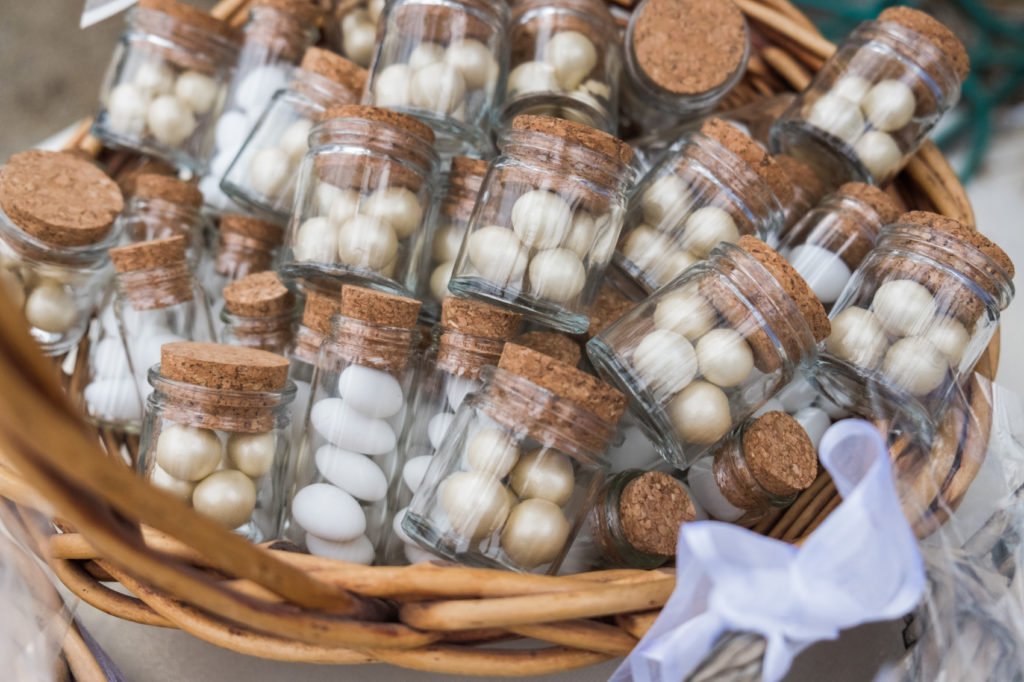
Koufeta And Wedding Favors
Koufeta are sugar-coated almonds given to guests at Greek weddings in small favor bags. They’re a long-standing tradition tied to marriage and shared life. The almonds have a slightly bitter taste, while the sugar coating adds sweetness. Together, they represent the mix of challenges and joyful moments a couple will experience. Koufeta are included in the favor bags in uneven numbers, which adds another layer of symbolism behind the tradition. Because uneven numbers can’t be divided evenly, they represent the couple’s bond and the idea of staying together.
The Money Dance
The money dance is a wedding tradition where guests pin bills to the bride and groom during the reception while music plays. The tradition comes from the idea of giving the newly married couple a financial gift in a public, festive way. It’s a sign of goodwill, generosity, and community support. Instead of handing over money privately, guests take part in a moment that feels celebratory.

Gold Wedding Bands
Choosing the right metal for a wedding band can be difficult! But if you’re having a Greek wedding and want to honor tradition, you might not have to overthink it. Gold holds deep meaning in Greek weddings. It represents value, permanence, and honor within the marriage. Many couples will wear gold bands with intricate details carved into them, such as vine patterns or Greek key designs, and those details reflect long-standing Greek decorative styles seen across wedding customs and ceremonial pieces.
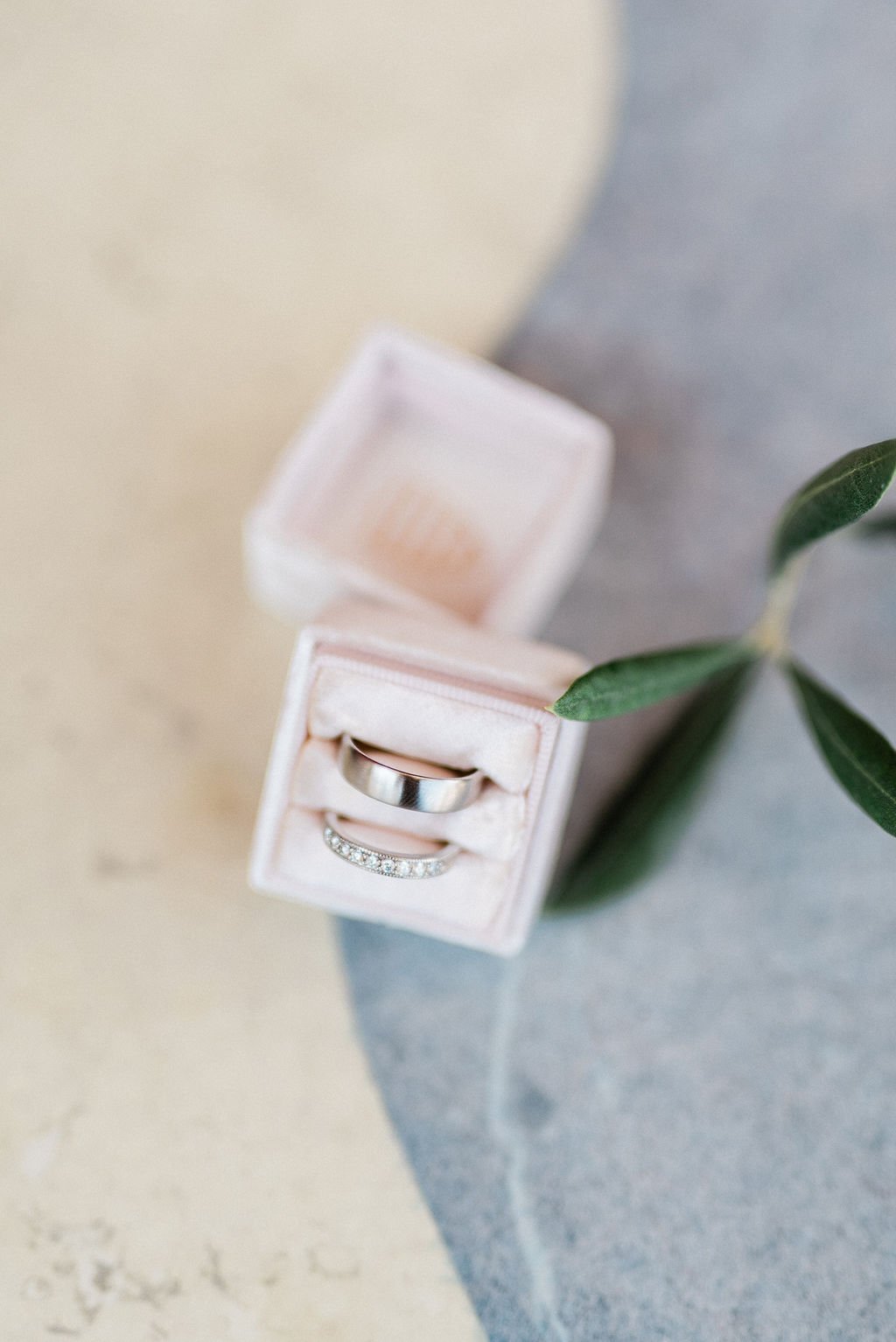
Plate Smashing
Plate smashing became widely associated with Greek celebrations during the 1960s and 1970s, when it grew popular in music clubs and nightlife settings before carrying over into wedding receptions and other major events.
Its exact origin is debated, but many people connect the practice to older beliefs about driving away evil spirits and pushing negative energy out of an important moment. It also came to represent joy expressed at full volume, with no restraint or reserve. In a wedding setting, the tradition signals celebration, protection, and the public release of emotion around the couple’s new life together.
Why These Details Stay with People
By the end of the celebration, those customs add up to something bigger than a beautiful event. They give the wedding its personality. They connect the couple to family history and give guests a better sense of what each moment means. Once you know the meaning behind Greek wedding traditions, the whole celebration feels richer, warmer, and a lot more personal.