What A Non-Traditional Wedding Dress Actually Looks Like in 2026
The phrase “non-traditional wedding dress” used to be code for “not white.” A blush gown. A tea-length hem. Maybe a jumpsuit if you were feeling particularly bold. That was the extent of it.
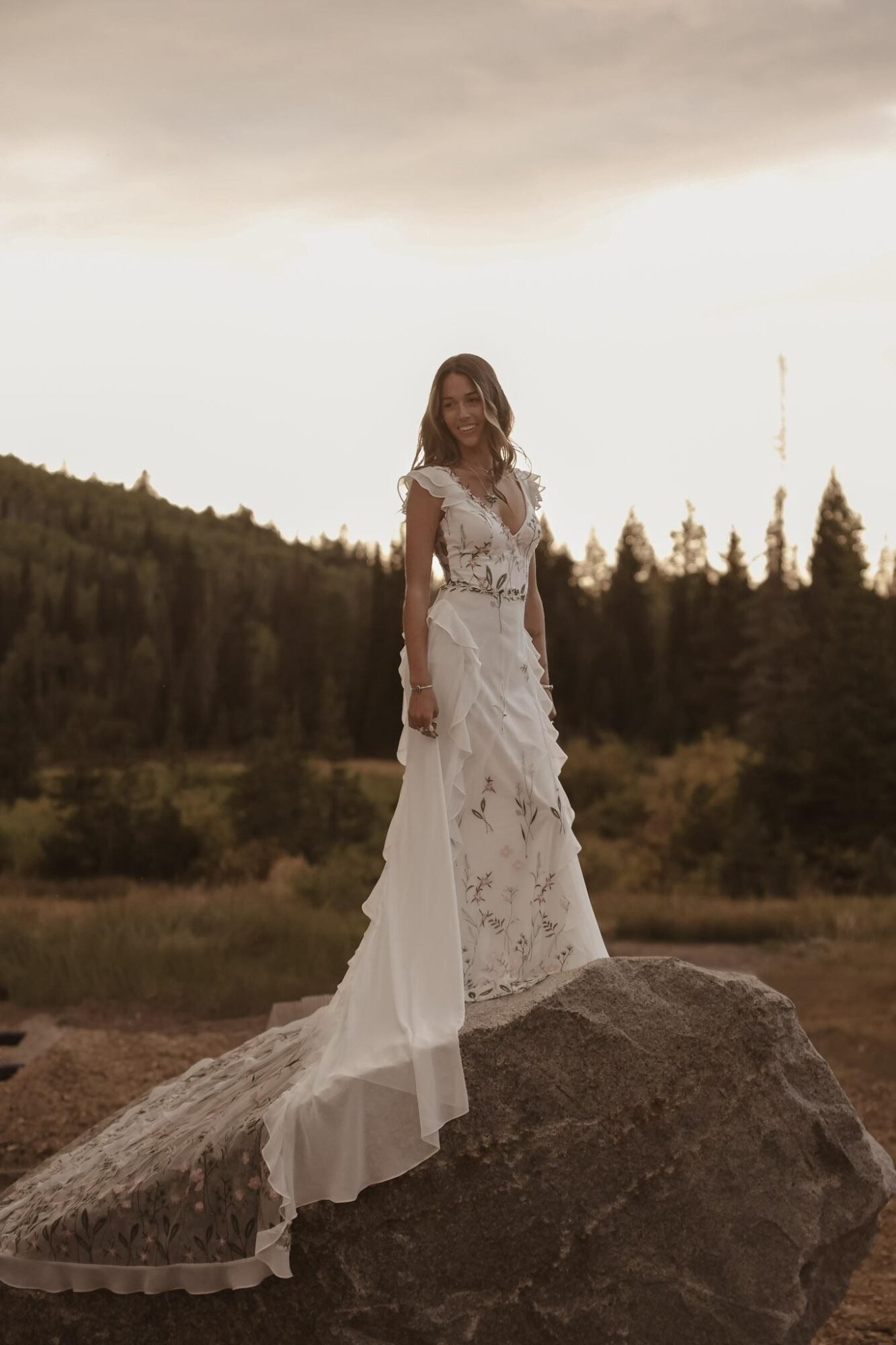
In 2026, non-traditional bridal has expanded so far beyond color that the term barely captures what is happening. Brides are rejecting the entire framework of what a wedding dress is supposed to be. And this is not just about the color, but its construction, its sourcing, its relationship to the body, and the ceremony it serves.
This is not rebellion for its own sake. It is the natural result of a generation of women who built careers, identities, and personal styles long before they started planning a wedding. They are not willing to abandon all of that for one day.
The Old Rules Are Not Working. The New Ones Are Better.
Traditional bridal certainly operated on a set of unspoken rules. The dress should be white or ivory and floor-length. Purchased at a bridal salon six to twelve months in advance and it should cost a specific percentage of the wedding budget. It should be worn exactly once.
However, every single one of these conventions is collapsing. Not slowly or gradually. Brides, who see them for what they are, are actively dismantling these conventions. Marketing constructs invented by the bridal industry in the mid-20th century and maintained through social pressure ever since.
The bride choosing non-traditional wedding dress today is not making a statement. She’s simply shopping the way she would shop for everything else in her life. With intention, with personal taste, and without deferring to an industry that profits from conformity.
What Non-Traditional Actually Means Now
Walk through any modern bridal atelier and you will see what the shift looks like in practice.
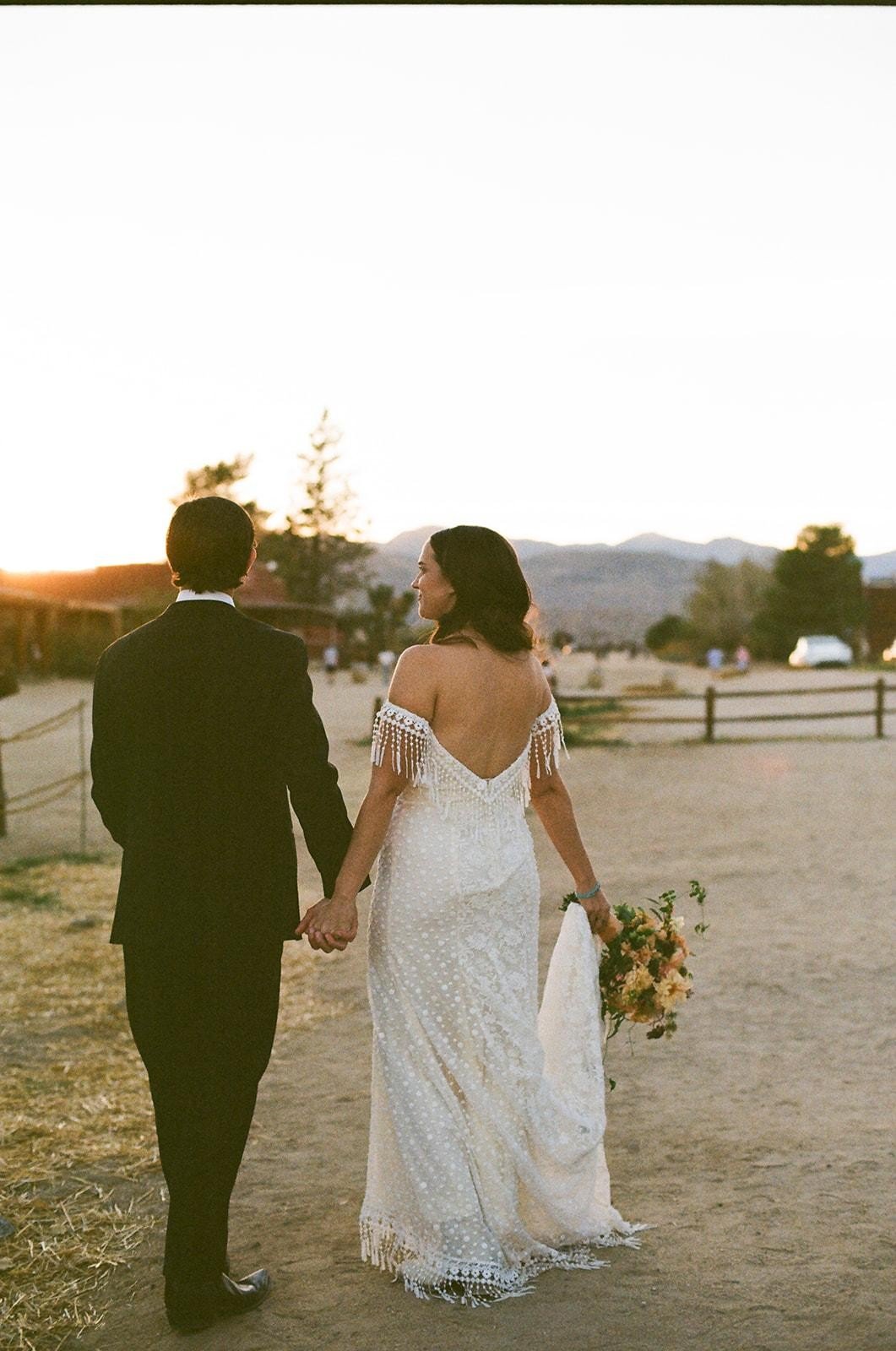
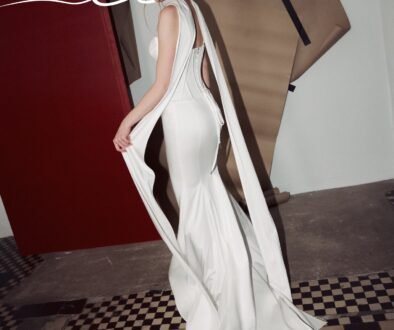
Bridal separates have replaced the single gown. A lace top paired with a flowing skirt. A structured corset with wide-leg silk pants. A bodysuit layered under a sheer overlay. These combinations give brides the ability to change their look between ceremony and reception without buying a second dress. They also solve the fit problem that plagues traditional gowns, when the top and bottom are separate pieces, each can be tailored independently.
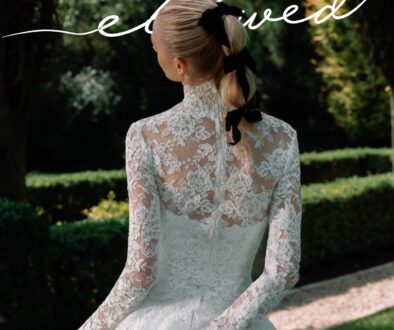
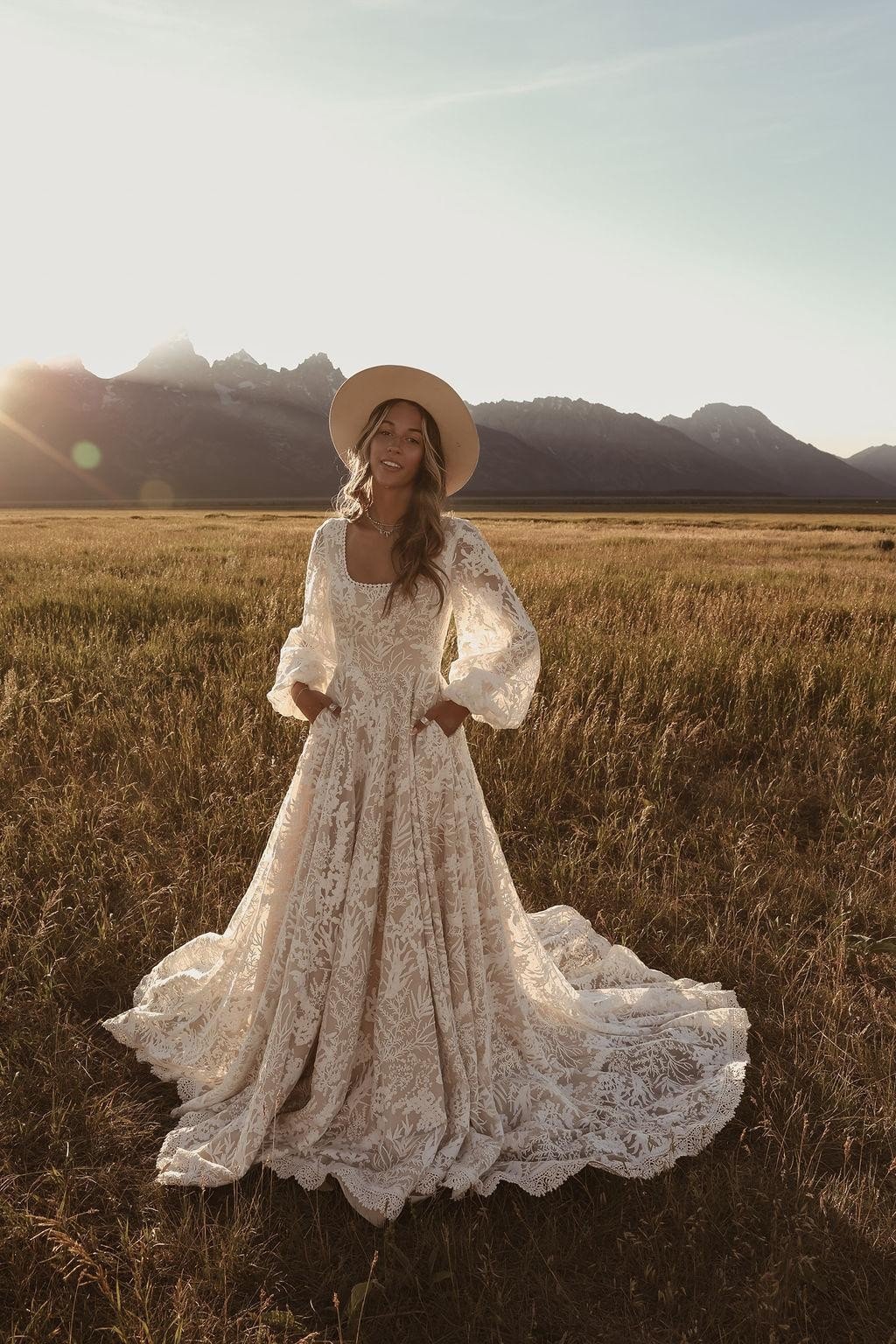
Sleeves are back, and they are architectural. The strapless gown dominated bridal for two decades. That era is ending. Bell sleeves, bishop sleeves, fitted lace sleeves that extend past the wrist. These details are showing up on dresses that read as modern, not vintage. The sleeve has become a design element in its own right, not a concession to modesty.
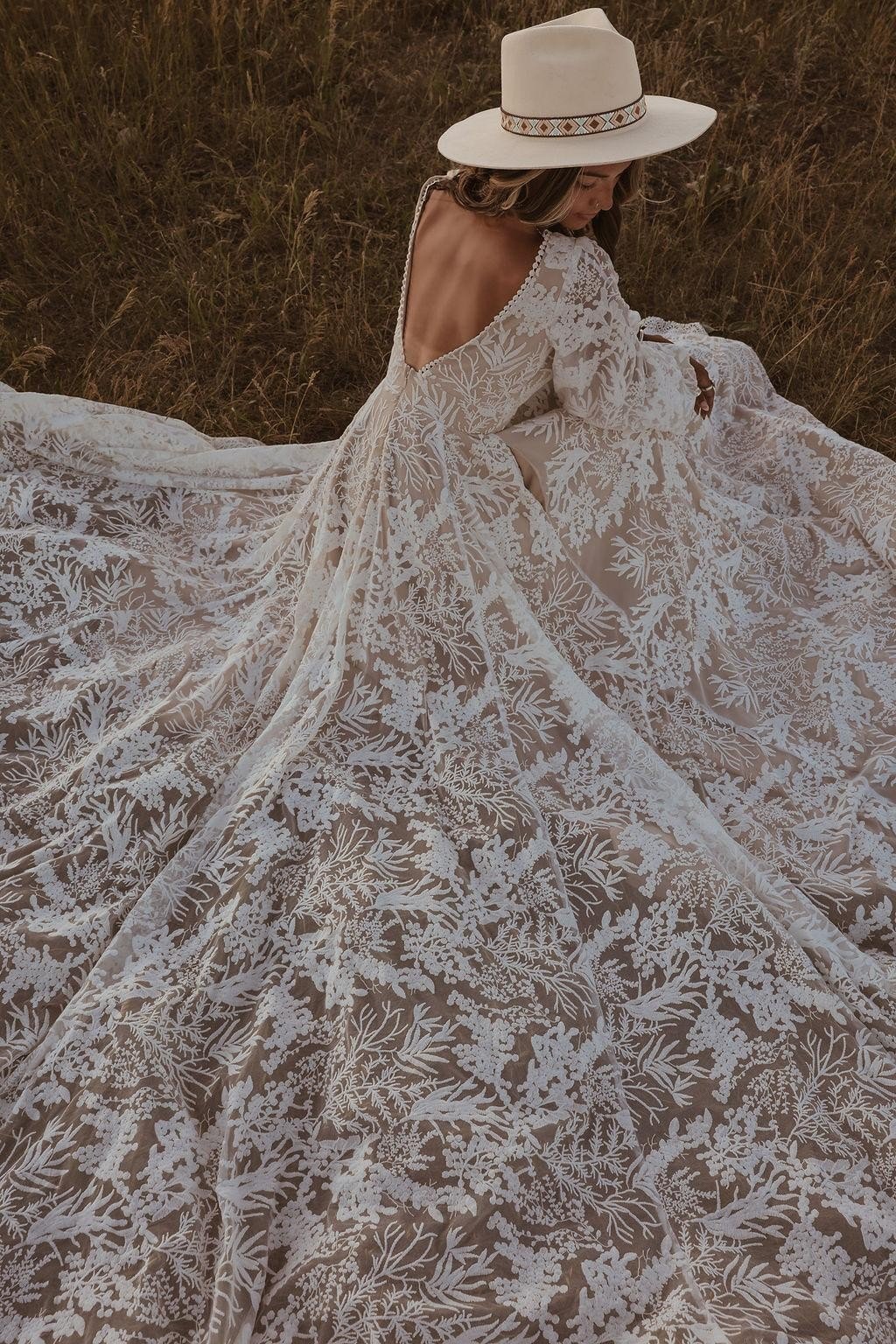
Color is no longer controversial. Champagne, sand, dove grey, pale gold. These tones have moved from “alternative” to mainstream in bridal. But the real shift is subtler than that. Many brides are choosing warm-toned linings under white or ivory lace, creating a depth and dimension that pure white cannot achieve. The dress appears white in photographs but has a richness and warmth in person that feels more luxurious.
The Unconventional Bride Is Actually the Majority
Here is the data point that the traditional bridal industry does not want to acknowledge: brides searching for unconventional wedding dresses and “alternative wedding gowns” now represent a larger share of organic search traffic than those searching for “classic wedding dress” or “traditional bridal gown.”
This is not a niche. It is the new center.
The brides driving this shift tend to share a few characteristics. They are typically over 28, with established careers and they have strong personal style that predates their engagement. And they are unwilling to wear something on their wedding day that they would never choose in any other context.
This is why the whimsical wedding dress category has exploded. “Whimsical” is not a construction method or a silhouette. It is a feeling. The sense that a dress has personality, that it was designed with a specific point of view rather than assembled from a checklist of bridal conventions.
How to Shop Non-Traditional Without Losing Your Mind
The challenge with Non-Traditional Wedding Dress is that the options are now so vast that decision fatigue becomes a real problem. When everything is possible, choosing becomes harder, not easier.
A few principles that help.
Start with fabric, not silhouette. Most brides begin shopping with a shape in mind. That approach works for traditional gowns where construction is standardized. For a non-traditional wedding dress, fabric dictates everything. A heavy crepe will move differently than a lightweight chiffon. A stretch lace will fit differently than a rigid Chantilly. Touch the fabric before you evaluate the design.
Ignore the “bridal” label. Some of the most compelling non-traditional wedding dresses are not marketed as bridal at all. They are evening gowns, cocktail dresses, or designer pieces that happen to work beautifully for a wedding. Limiting yourself to the bridal section of any brand means missing options that might be a better fit.
Consider the full day, not just the ceremony. A dress that photographs beautifully at the altar but restricts movement at the reception is a dress that will frustrate you by 9 PM. Non-traditional brides tend to prioritize comfort and versatility over pure visual impact, which is why home try-on programs have become so popular. They let you test how a dress performs in real conditions, not just in front of a salon mirror.
Trust your instinct over consensus. The traditional bridal shopping experience is designed around group approval. You bring your mother, your bridesmaids, and you look for the dress that gets the biggest reaction. Non-traditional brides often find their dress alone or with one trusted person. The dress that feels right on your body matters more than the dress that gets the most applause.
The Industry Is Catching Up
Bridal designers and ateliers are finally building for this bride instead of trying to convert her back to tradition. Small, independent studios, particularly on the West Coast, have been ahead of this curve for years, designing collections around movement, individuality, and craftsmanship rather than trend cycles and seasonal collections.
The result is a bridal market that finally looks like the women it serves. Diverse in taste. Confident in choice. Uninterested in permission.
That is what non-traditional bridal means in 2026. Not a departure from elegance. A redefinition of it.