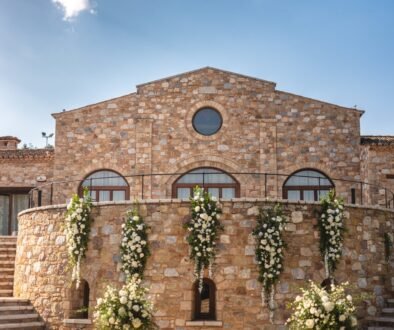
The Sound of “I Do”: Perfecting Wedding Ceremony Audio
You’ve found the Greek venue and pictured the walk down the aisle. You may already know which song will play as you enter. Then someone asks where the microphones will go.
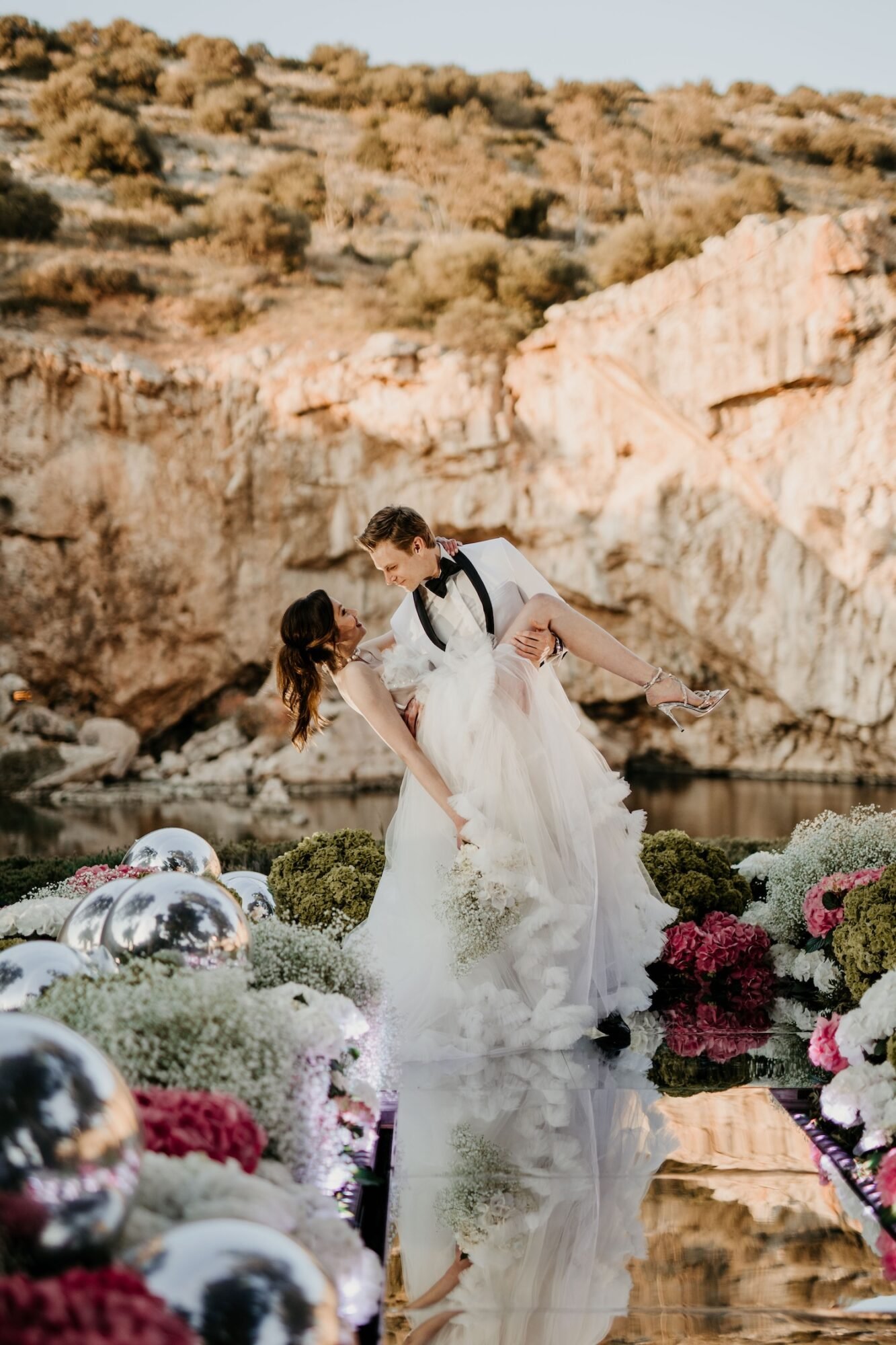
For a destination celebration, perfecting wedding ceremony audio starts with planning for your actual setting instead of treating sound as a last-minute equipment order. Your ceremony may sit beside the sea or on a terrace where wind moves through the space. A thoughtful setup lets your guests hear your vows without drawing their attention toward speakers or microphones.
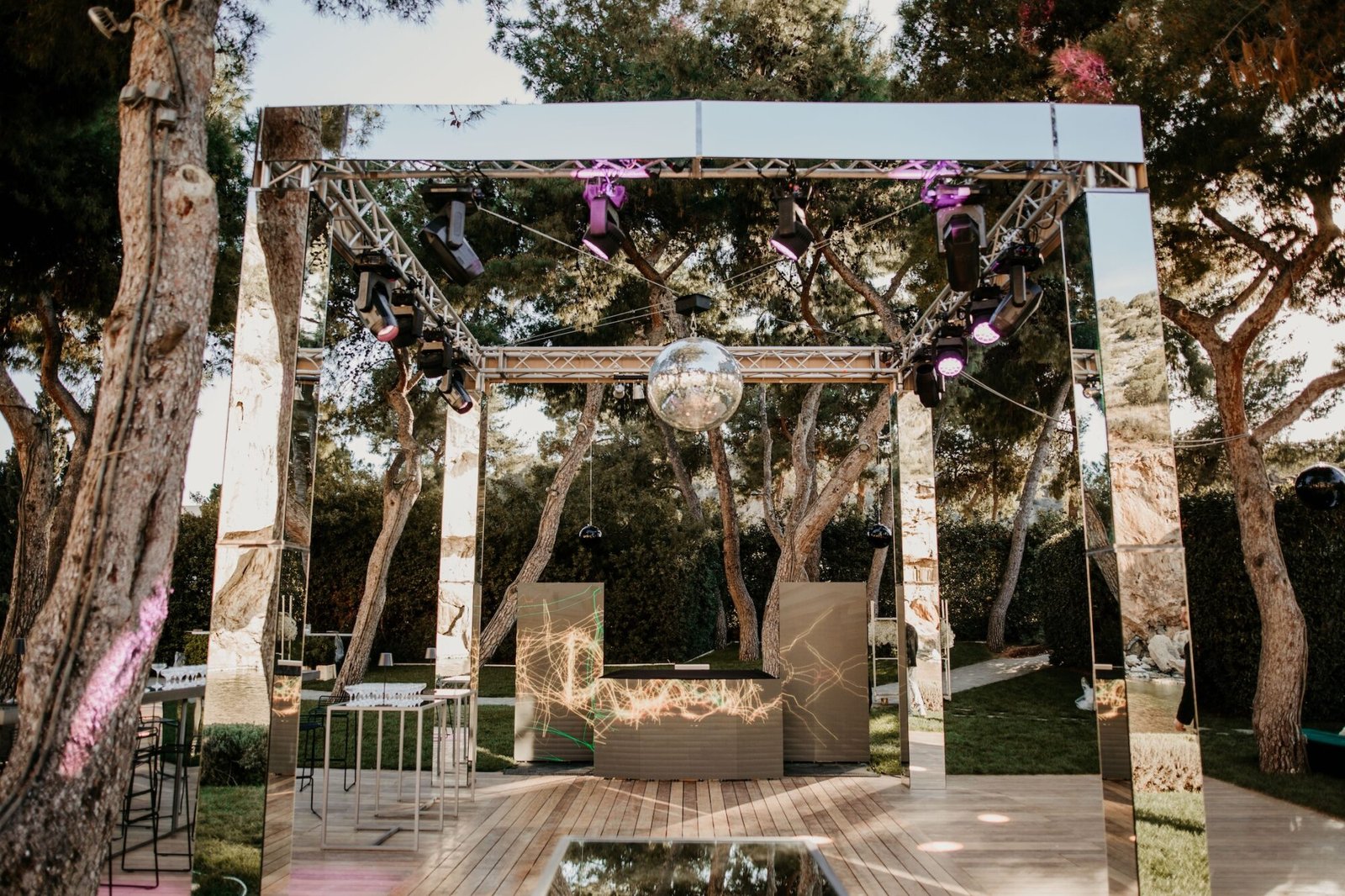
Start With the Ceremony Space
A wedding in Greece may place you in a whitewashed courtyard overlooking the Aegean. Your audio team needs to build the setup around the venue you booked rather than copy a standard indoor system.
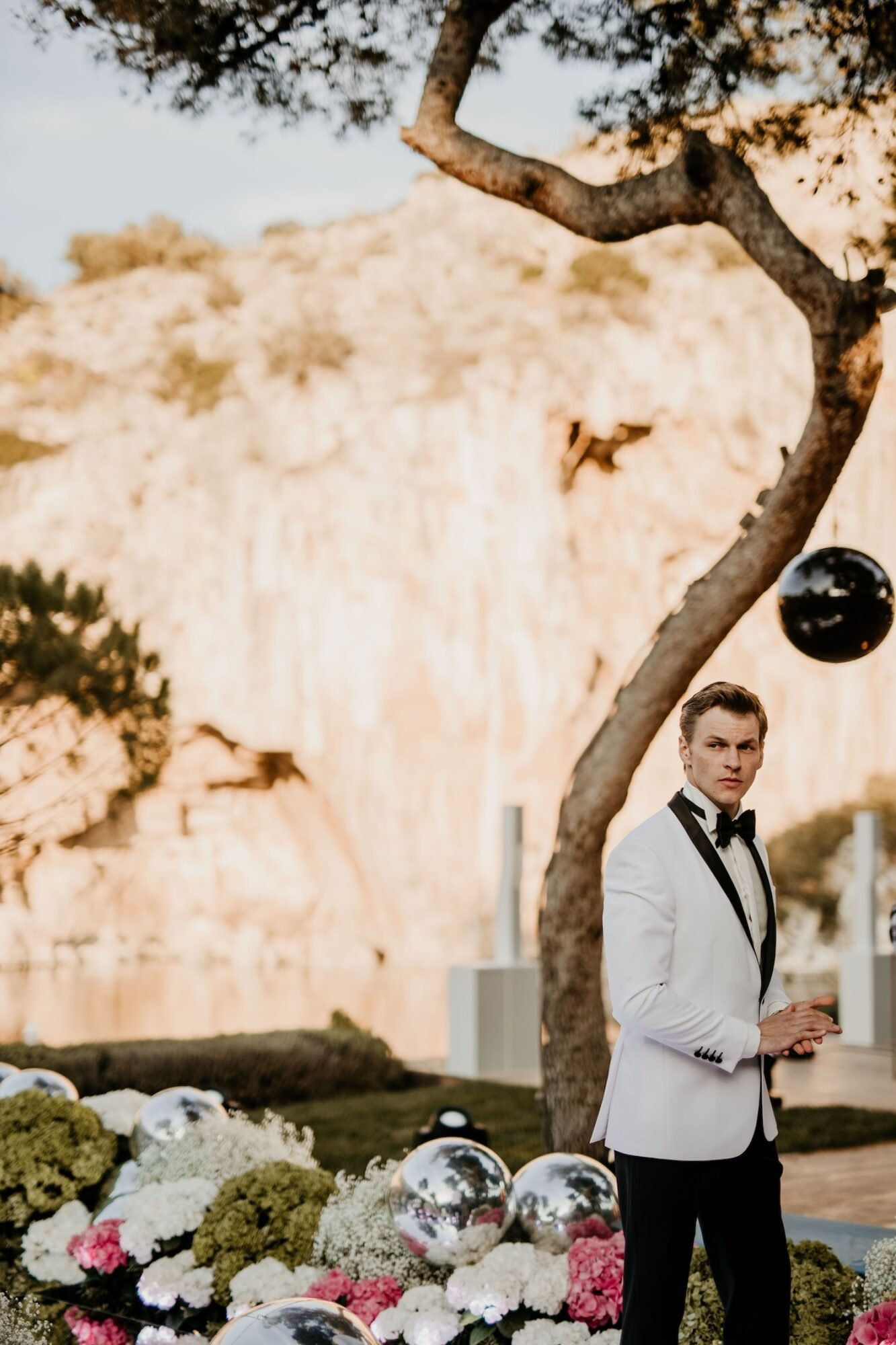
Outdoor spaces create different sound conditions because walls and ceilings aren’t there to contain each voice. Your celebrant may sound loud enough when you stand nearby, while guests several rows back miss parts of each sentence. Wind may also interfere with microphones during an exposed ceremony.

Walk through the ceremony area with your planner or audio supplier before you finalize the setup. Look at the distance between the ceremony position and the final guest row. That distance gives your supplier useful information for choosing speaker locations and volume levels.

Give Every Voice a Place in the Plan
Your vows deserve to reach the people who traveled to hear them. Perfecting wedding ceremony audio means thinking about each person who will speak instead of placing one microphone near the celebrant and calling the job finished.

A discreet lapel microphone keeps your hands free while you exchange vows. If you prefer a handheld microphone for readings, decide where it will sit when nobody needs it. Your team can then move it between speakers without interrupting the ceremony.
Readers deserve attention too. A friend who speaks softly from a lectern needs enough amplification to reach the final row. Give your audio supplier the ceremony order ahead of time so the operator knows when each speaker enters.
Put Speakers Where Guests Need Them
Nobody wants large audio equipment dominating the ceremony photos. Hiding every speaker far from the seating area creates another problem because guests may struggle to follow the vows.
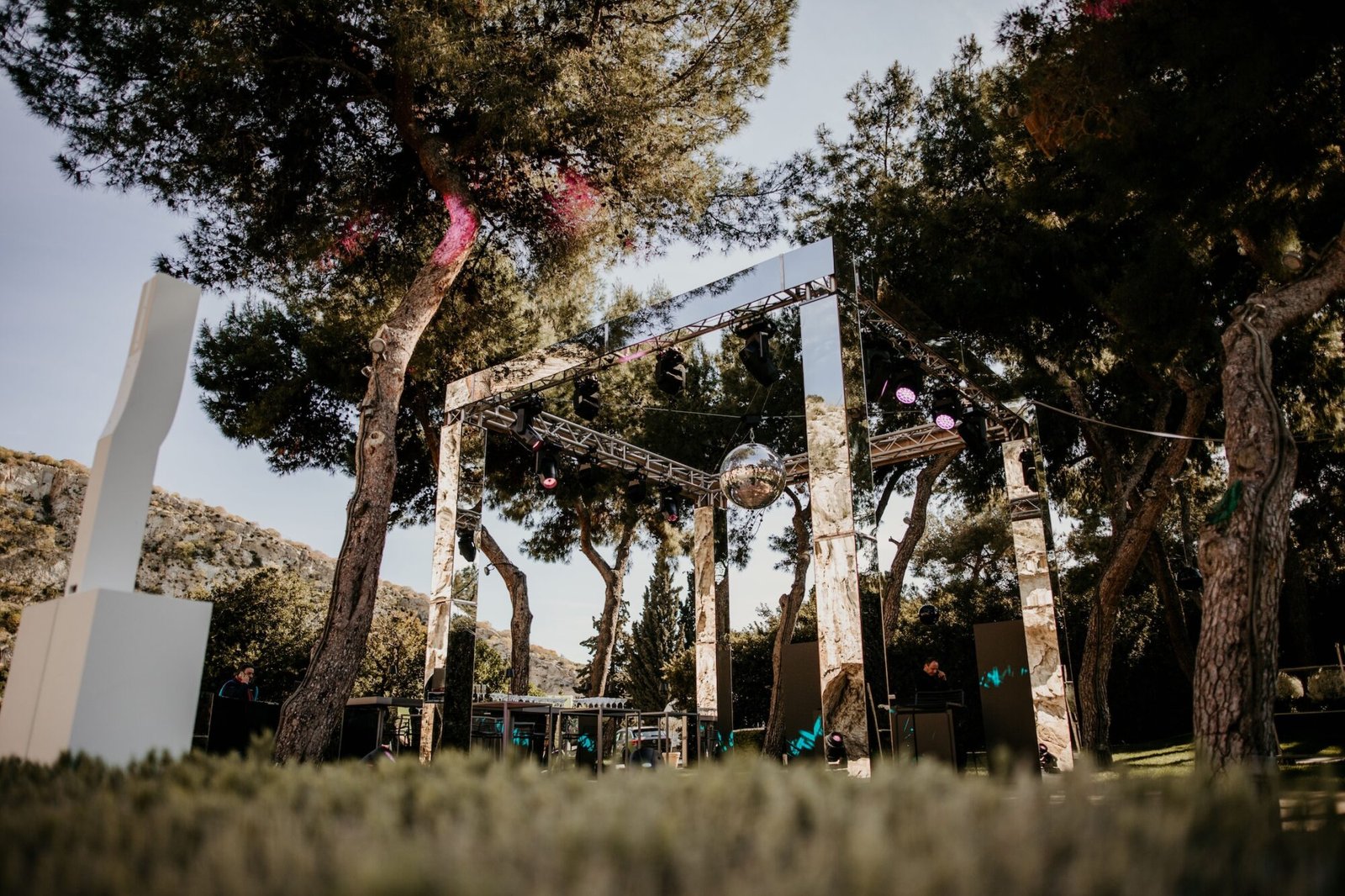
Speaker placement should match the way you arrange your seats. A smaller ceremony may need a pair positioned near the guest area. A long aisle may require another setup that distributes sound without forcing the front rows to hear excessive volume.

Talk with your photographer and planner about sightlines before installation begins. Your audio team can position equipment outside major photo angles while directing sound toward the audience. Your guests hear the ceremony while the equipment stays in the background.

Prepare for Wind at Outdoor Venues
That sea breeze may be one reason you fell in love with an island venue. Microphones react differently because wind moving across them creates rumbling noise that competes with speech.



Ask your supplier how they plan to protect microphones from the conditions at your venue. Proper wind protection reduces unwanted noise without forcing speakers to raise their voices. Microphone placement also affects how much wind reaches the equipment.


Timing deserves attention when your venue sits in an exposed location. Ask your planner whether the area experiences stronger wind during certain parts of the day. Your audio supplier can prepare for those conditions before the ceremony starts.
Build Your Music into the Audio Setup
Your processional sets the mood before anyone speaks. Whether you choose recorded music or live performers, your audio team needs to know how that music fits into the ceremony.


For recorded tracks, send the operator the exact files before wedding day. Confirm which version you want so the introduction matches the timing you practiced. The operator also needs to know who will signal the start of each track.

Live performers need coordination with the audio supplier too. A musician may sound strong in an intimate courtyard but need amplification on an open terrace. Share your performance plans early so everyone knows what the venue requires.
Give Your Sound Team a Ceremony Timeline
Your audio operator needs to know what happens before each microphone or music cue comes into play. A ceremony timeline gives that person a direct view of the sequence without requiring last-minute instructions.
Include the moments that affect sound. Note when the processional begins and when a reader moves into position. You can also identify the person responsible for signaling music cues.


Share the timeline before the wedding rather than handing it over as guests arrive. Your operator then has time to review each transition with your planner. That preparation keeps audio changes from becoming visible interruptions during the ceremony.


Test the Sound Before Guests Arrive
A sound check shows your team how voices carry through the actual venue. The celebrant should speak into the microphone from the same position they’ll use during the ceremony.


If a reader has a separate microphone, test that location too. Nobody needs to recite the real vows during rehearsal. A few sentences at normal speaking volume give the operator enough information to adjust the system.
Someone should also listen from the back of the guest area. Sound that seems balanced near the ceremony arch may reach distant seats at a different volume. Testing from there lets your operator make adjustments before guests arrive.

Rehearse the Musical Cues
Your ceremony rehearsal gives you a good time to check when each piece of music starts. Confirm the processional cue with your planner and audio operator so everyone follows the same timing.
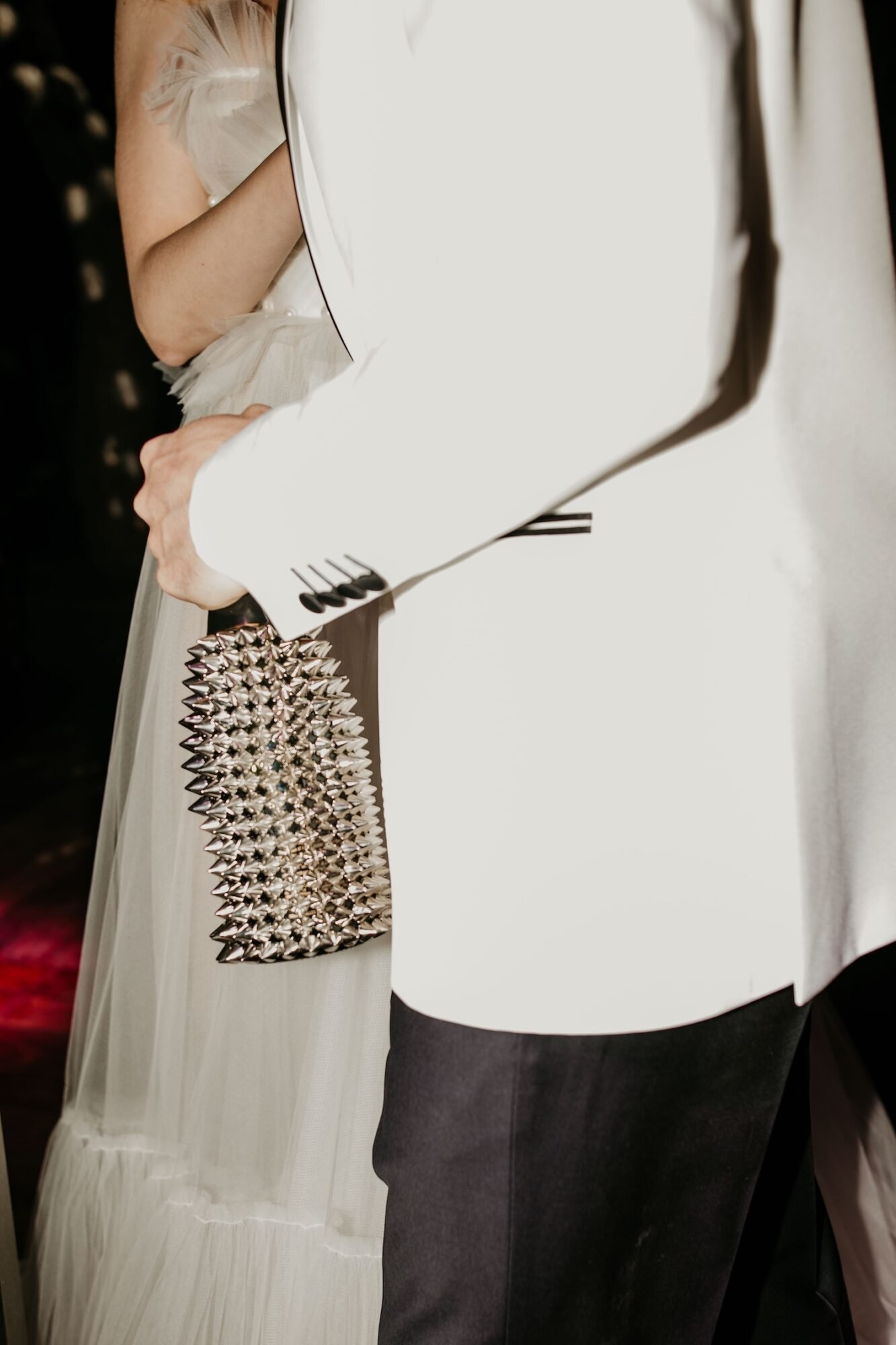
Pay attention to how each track begins. A quiet opening may affect when the wedding party starts walking, so your operator needs the exact file you plan to use. The right AV gear for an elegant wedding ceremony also gives your team the control they need to balance those musical moments with the spoken parts of the day.
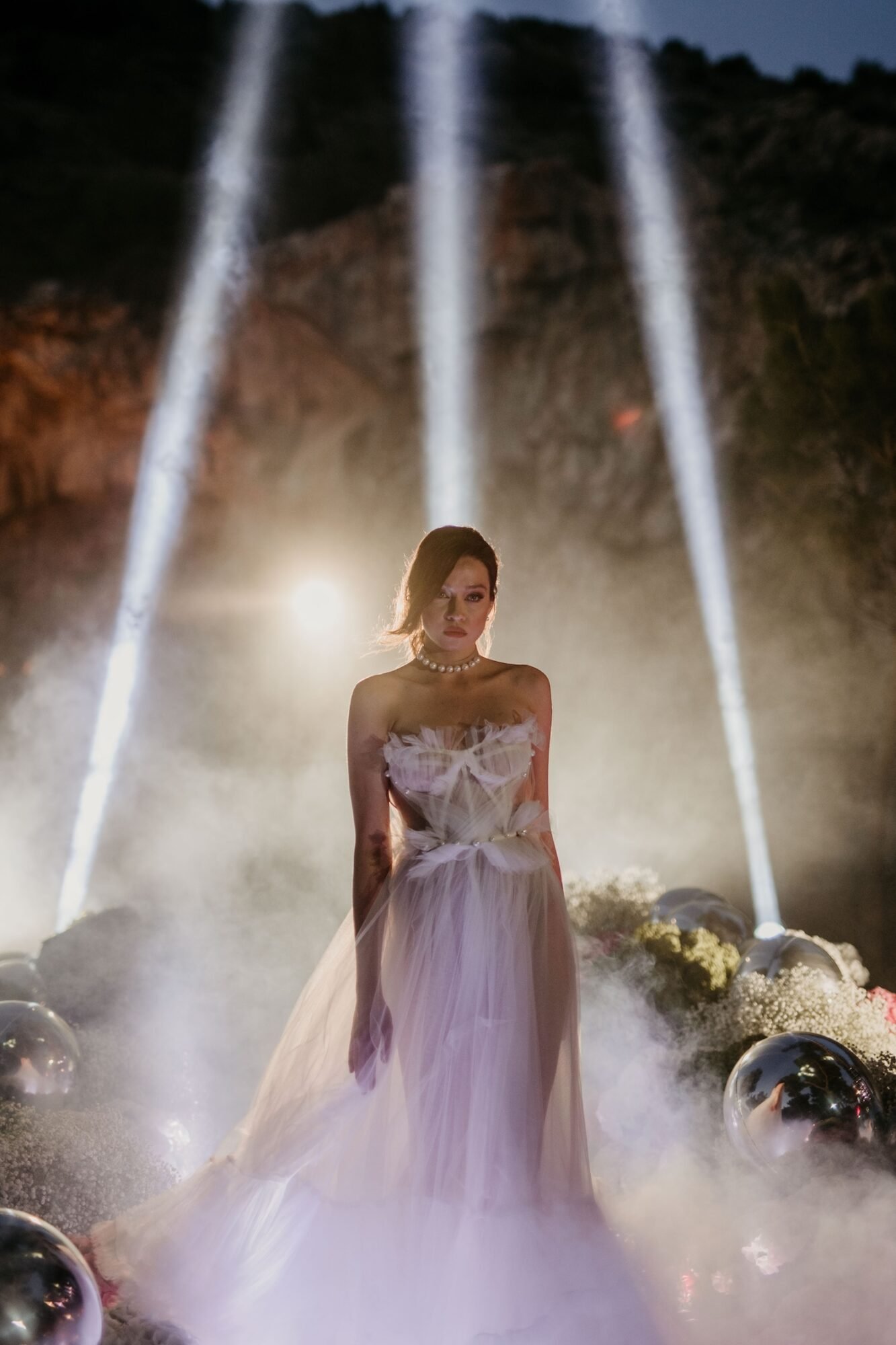
You can review the recessional cue while everyone stands in position. Your operator will then know exactly when to bring the music in as you make your way back up the aisle.

Let Your Guests Hear the Moment
You’ve invited people to travel to Greece and watch you make a promise to each other. They should hear those words without leaning forward or trying to work out what someone said.
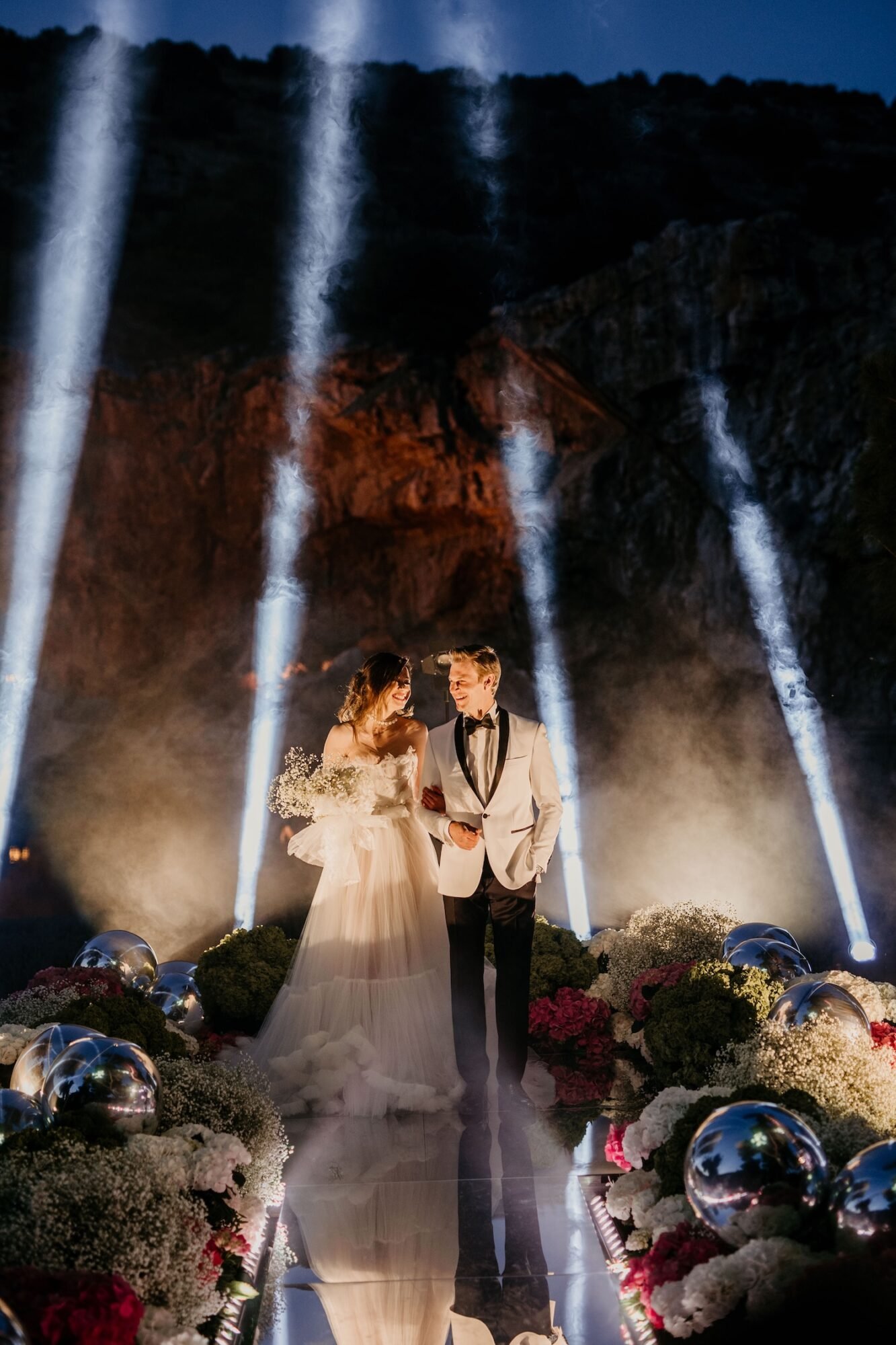
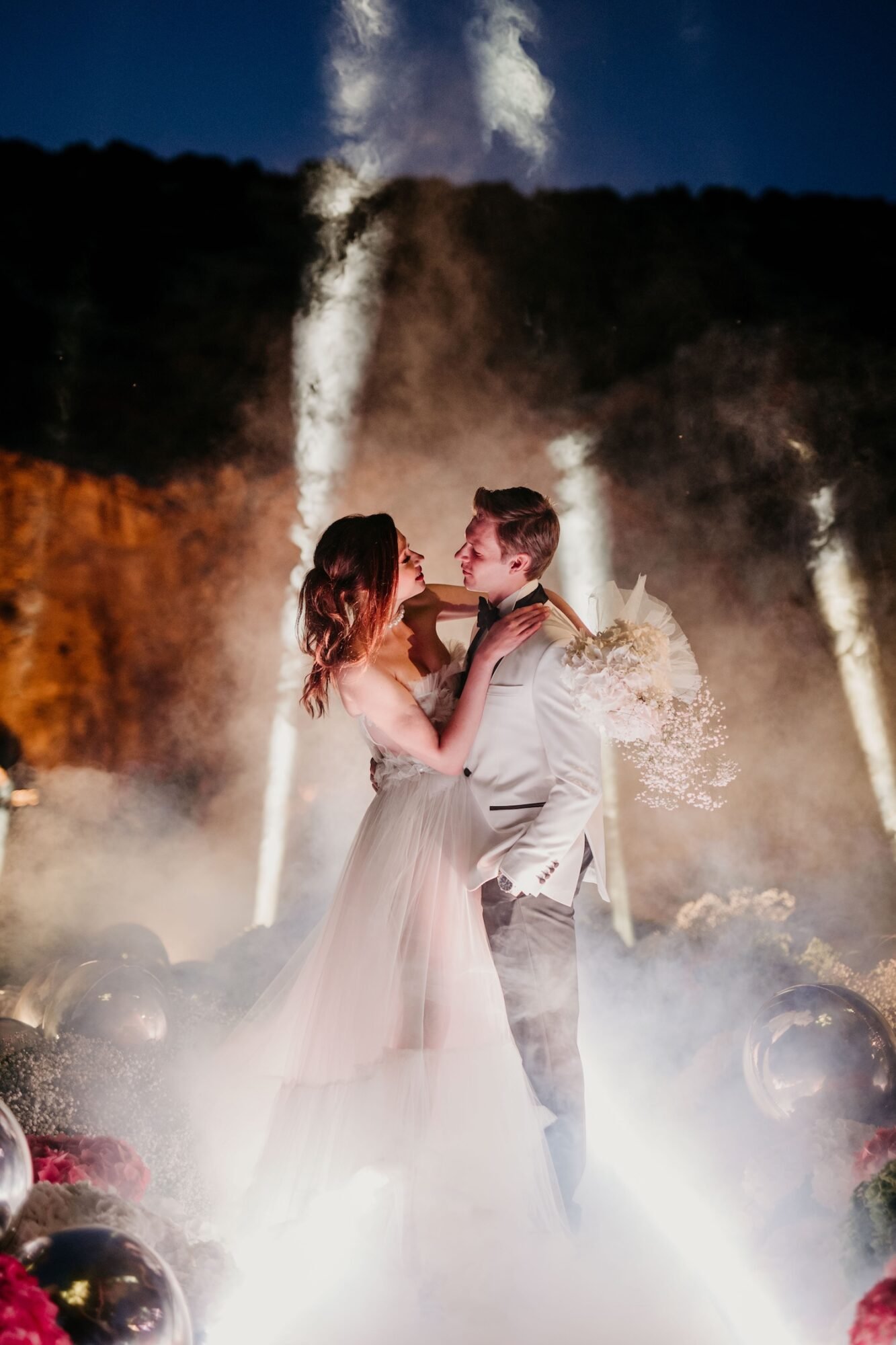
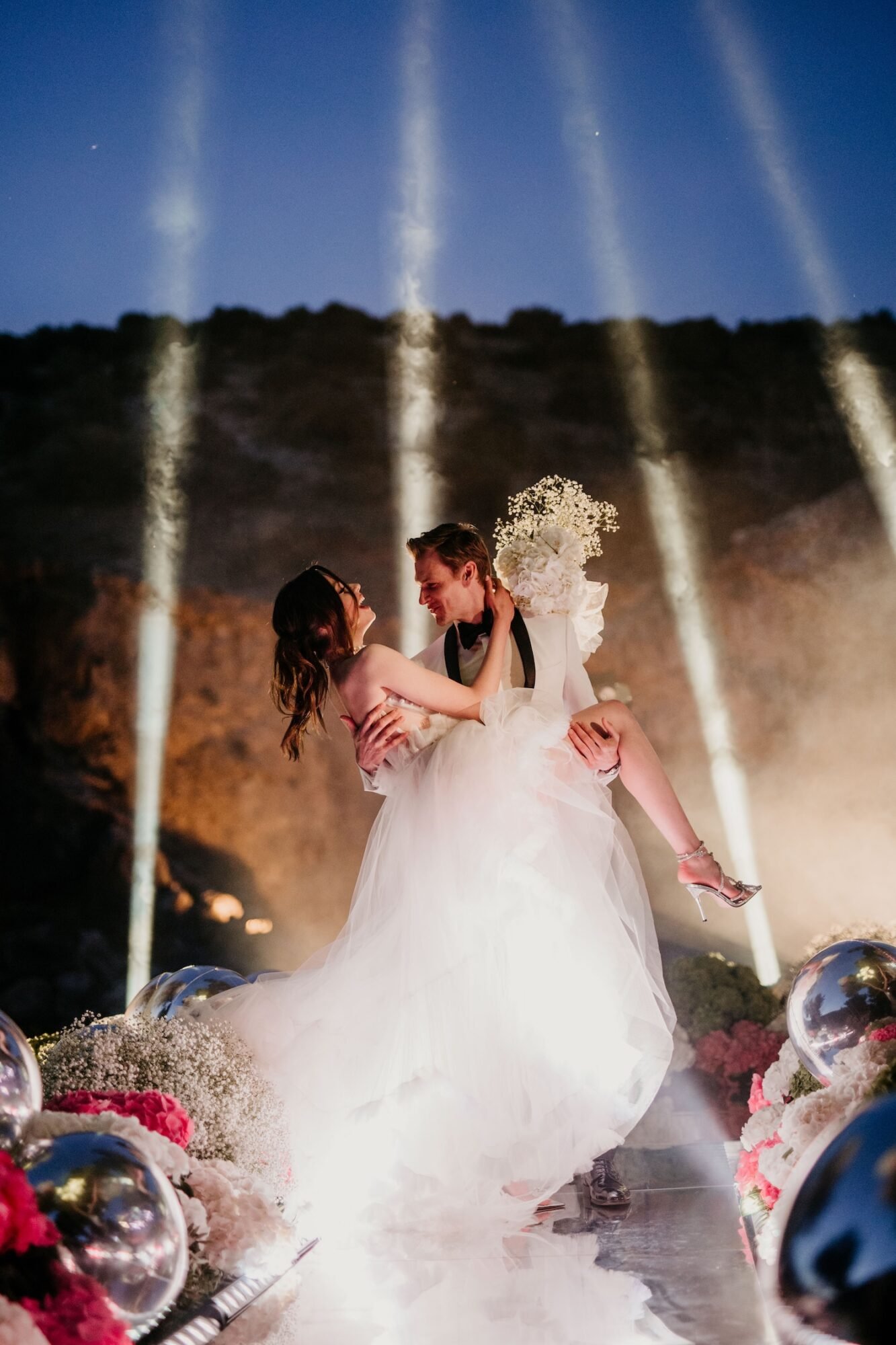
Good ceremony sound stays behind the experience. Your guests hear the vows at a comfortable volume while the technology stays out of their attention. You get to focus on the person standing beside you instead of wondering whether the final row heard you.


Share your venue layout and ceremony order with your suppliers early. Give the audio team time to prepare for the space you chose. When the ceremony begins, the words you planned so carefully can reach every guest who came to hear them.


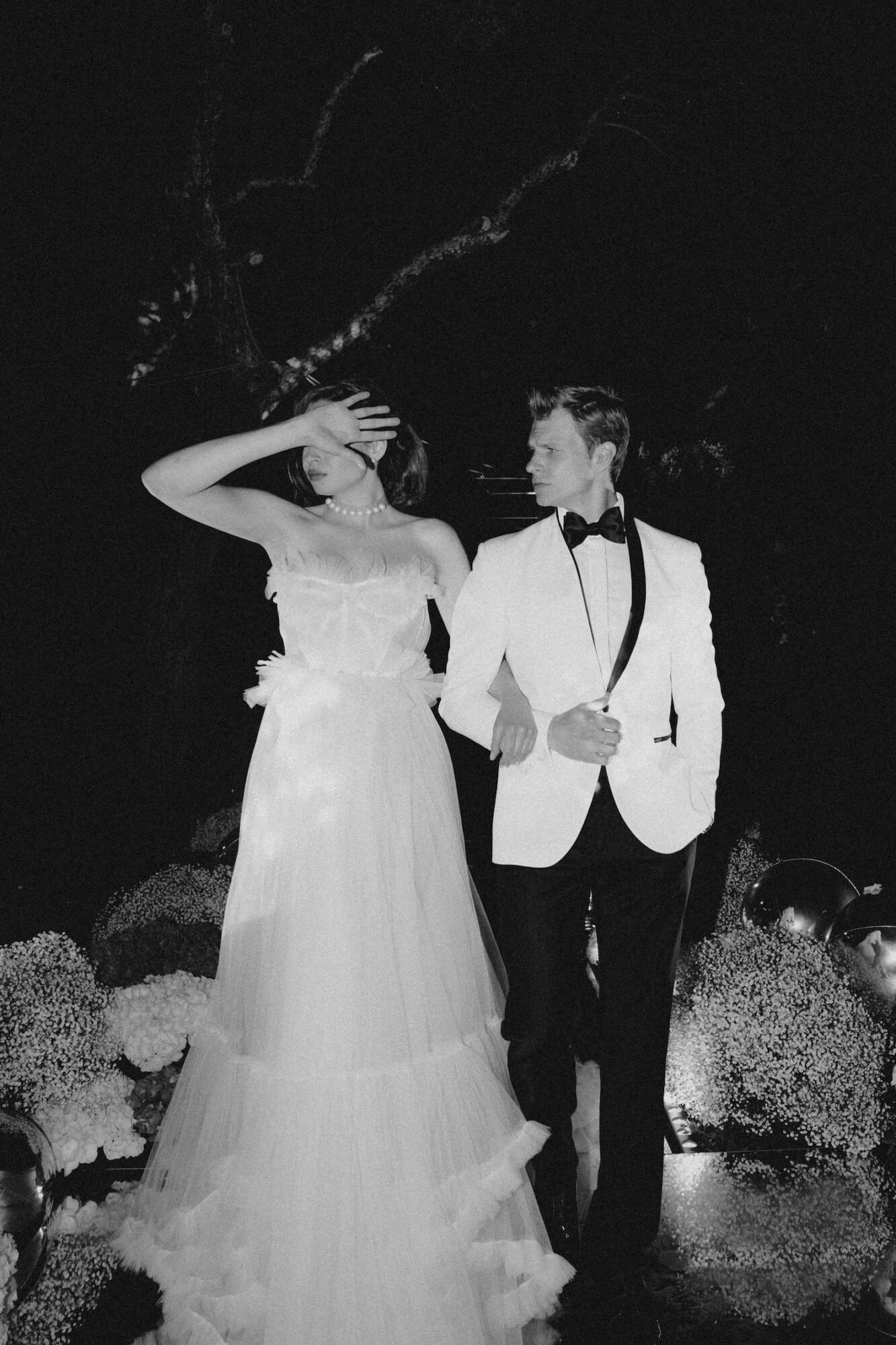
GET THIS LOOK:
Photography, Magalios Bros Photography
For Alchimeia Workshop
Wedding Planning, Concept & Art Direction, Kiss from Fleur by Anna Jill
Coordination & Marketing, Ellwed
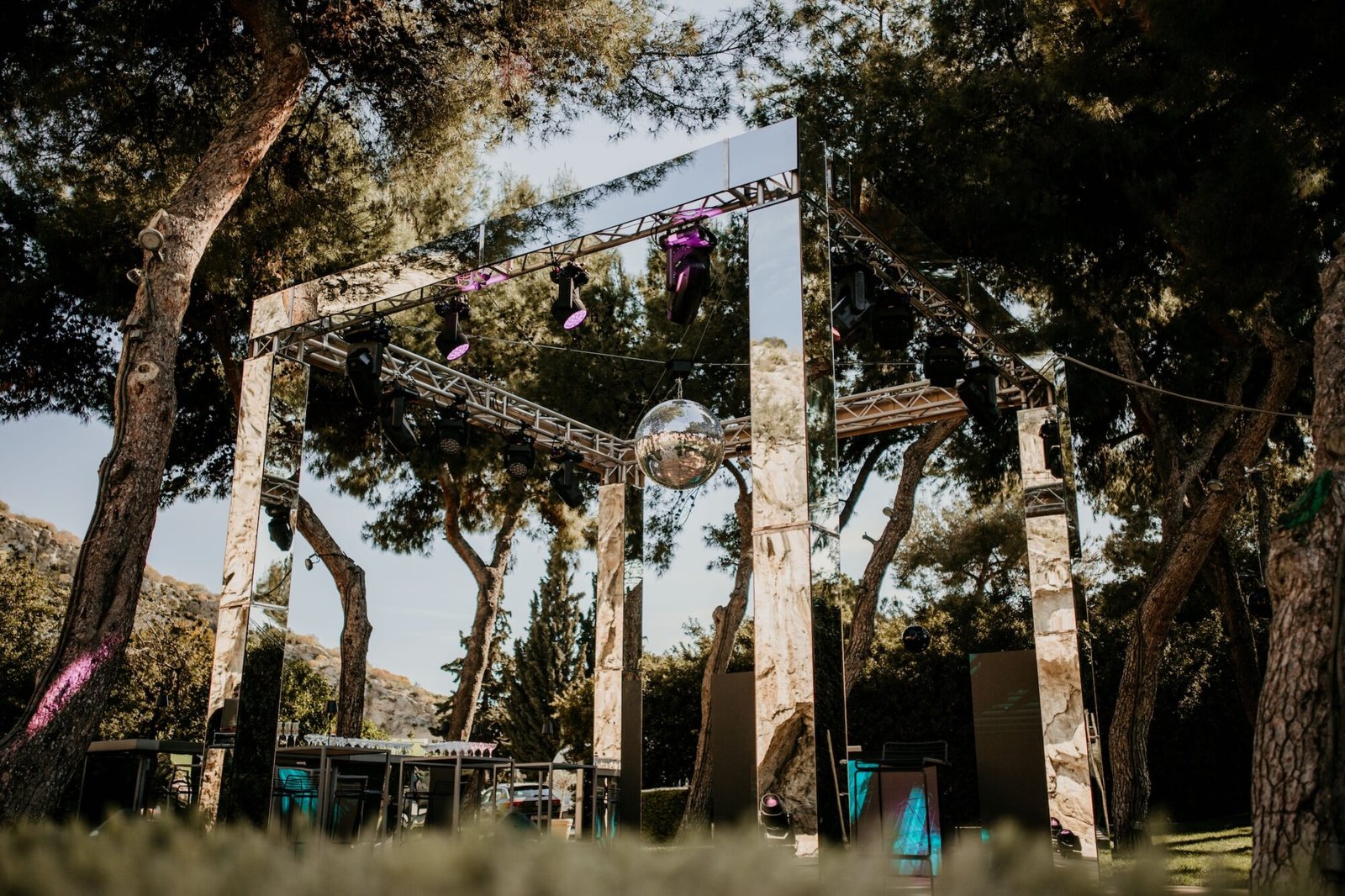
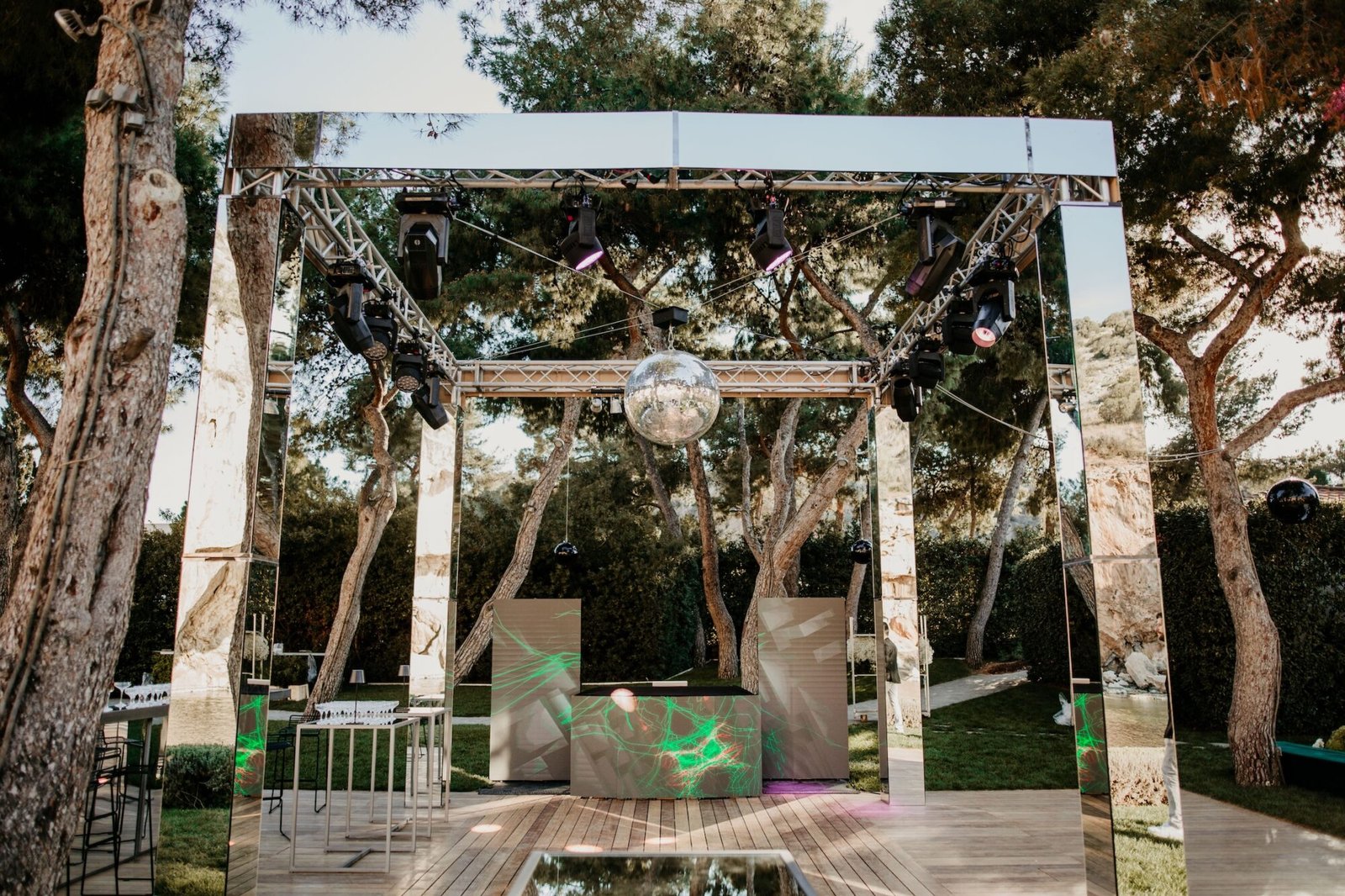
Mirror Catwalk, Mirror Trusses & LED DJ Booth, Events Music
Sound & Light Design Concepts, Events Music by Panos Tsilounis
Florals, Studio7
Champagne Tower & Signature Cocktails, The Moving Spirits
DJ, DJ George Kouzas
Event Rentals, Stylebox Rentals
Balloons, The Balloon Idea
Makeup and Hair Artist, @giorgiaxristodoulou_
Synchronized Swimming & Entertainment, Naiads
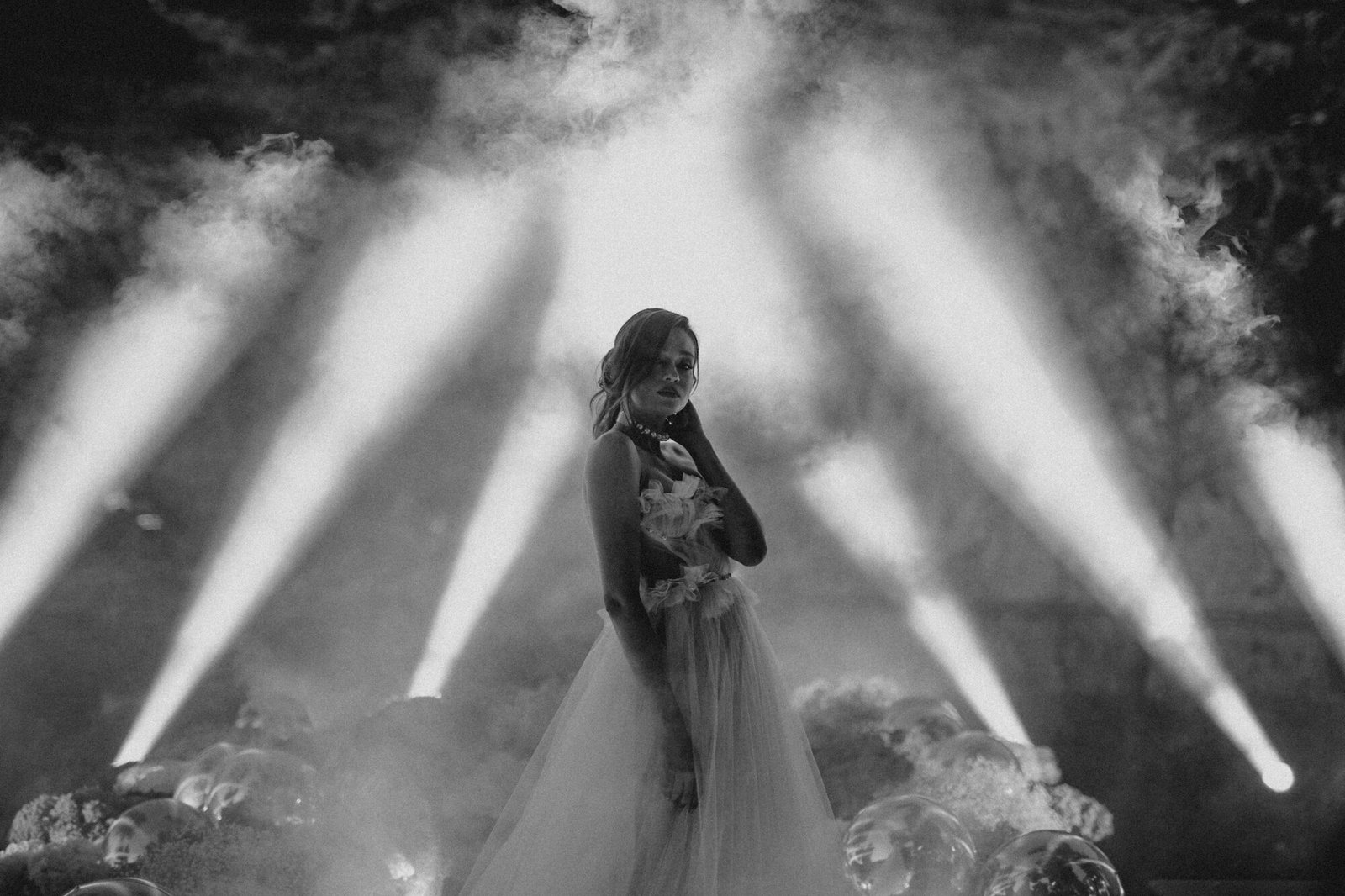
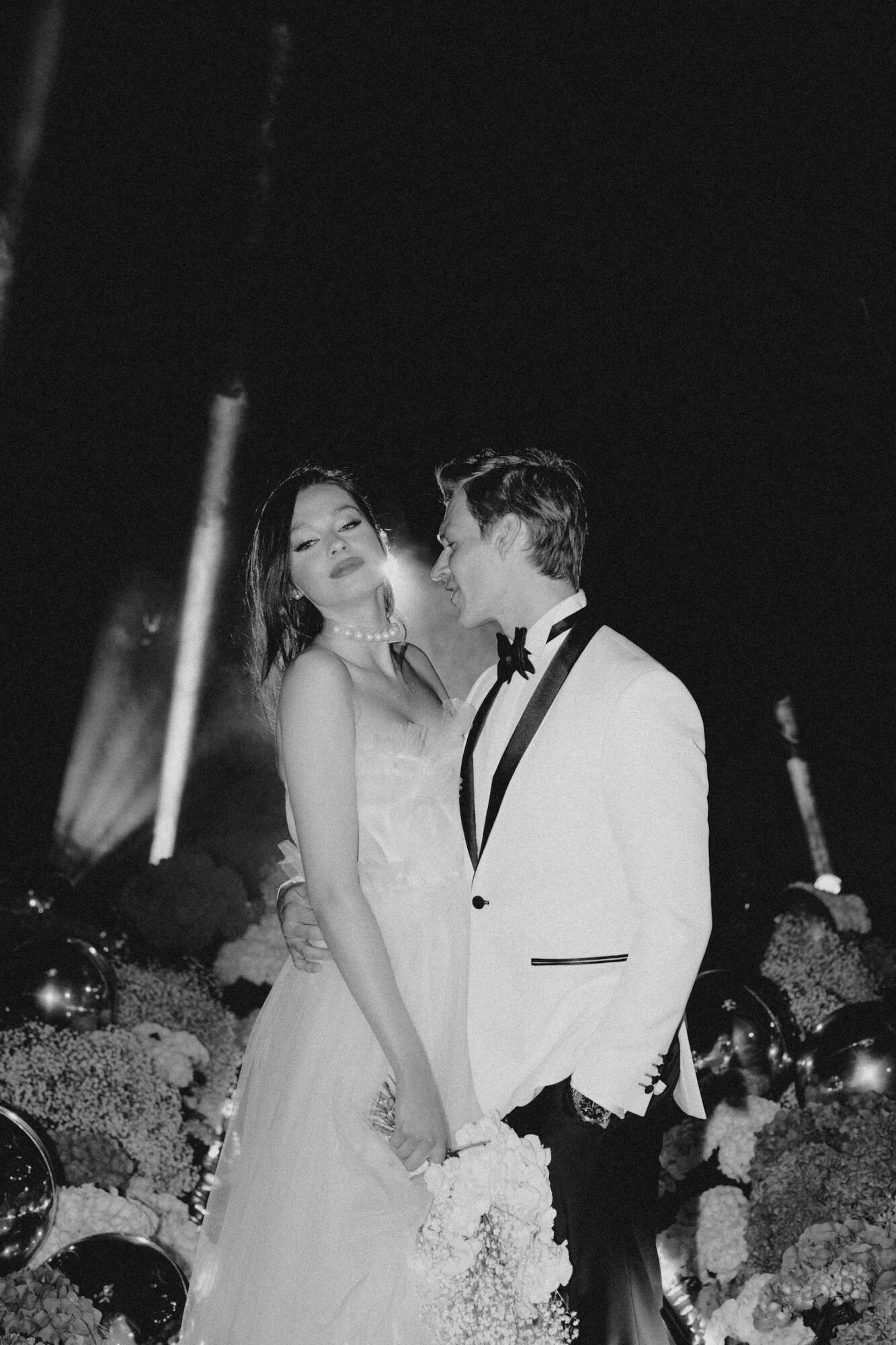
Bridal Couture & Accessories, Ritual Unions
Groom’s Attire, Dressman
Wedding Cinematography, BV Aerial
Venue, Lake Vouliagmeni
Makeup for Naiads, Konstantina Skourou