6 Venue Red Flags for Destination Weddings in Greece
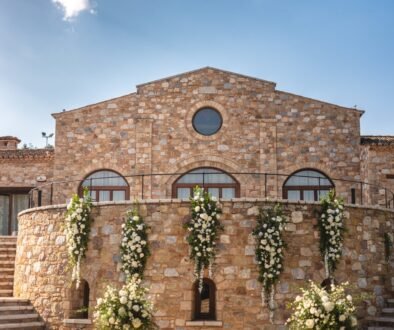
A Greek wedding venue can look perfect in photos and still create problems once planning begins. Before the view wins you over, watch for the small signals that could make the day harder to manage.

Spotting venue red flags early for weddings in Greece helps couples protect their budget, the guest experience, and the feeling they want from the celebration.
1. The Venue Gives Vague Answers
A strong venue should answer basic questions clearly. If the team avoids details about timing, included services, or outside vendors, treat that as a warning sign.
Destination weddings already involve distance. Couples need written answers because phone calls and quick messages can get messy across time zones. A venue that cannot explain its policies before booking may create more stress later.
2. Access Looks Hard for Guests
Greece has stunning hilltop venues, island terraces and coastal properties. Some locations also come with steep paths, limited parking or difficult transfer routes.
Ask how guests will arrive from hotels, ports or airports. If older relatives or guests in formalwear will struggle with the route, the view may not feel worth it.
A venue should help explain transportation options. If the answer sounds like “everyone figures it out,” keep looking.
3. Weather Plans Feel Weak
Outdoor ceremonies look beautiful in Greece, but sun, wind, and heat can change the mood quickly. A venue should have a realistic backup plan, especially for summer weddings.
Ask where the ceremony will move if strong winds affect the setup. Ask how the venue handles shade during hot afternoon hours. A backup space should feel planned, not like a storage room cleared at the last minute.
4. Costs Keep Shifting
A venue quote should make sense from the beginning. If fees appear after every question, the final budget may keep growing.
Look carefully at charges for staffing, cleanup, late-night music, and equipment. Destination weddings can already involve extra travel costs, so couples need fewer surprises.
During narrowing down venue choices, compare what each venue includes rather than focusing only on the rental fee. A lower starting price may lose its appeal when required extras appear.
5. Legal Ceremony Details Sound Unclear
Some couples marry legally in Greece, while others handle paperwork at home and have a symbolic ceremony abroad. The venue should know what it can host. If it claims legal details are “easy” without explaining the local process, ask questions. U.S. couples should be aware that marriages in Greece must be registered locally to be recognized under Greek law, according to the U.S. Embassy.
The venue doesn’t need to provide legal advice but should know when to refer couples to the municipality, planner, or officiant.
6. Vendor Rules Feel Too Restrictive
Preferred vendor lists can help couples find trusted local teams. Problems start when a venue limits choices without explaining why.
Ask whether outside photographers, florists or musicians can work on-site. If the venue requires its own vendors, review the quality and pricing before signing. Couples should feel guided, not trapped.
Choose the Venue That Feels Clear
The biggest red flags in Greek destination wedding venues usually surface before the contract is signed. Vague policies, weak weather plans, and unclear access can turn a beautiful setting into a stressful one.
A strong venue makes planning feel calmer. The right team answers questions clearly, explains limits honestly, and helps couples picture the day beyond the photos.