How Your Wedding Venue Influences the Atmosphere
A wedding venue does more than provide a place for a ceremony and reception. It shapes the mood guests experience from the moment they arrive, influences how people interact, and determines which design choices feel natural. A grand ballroom might suggest elegance and tradition, while a garden encourages an intimate, relaxed celebration. Understanding how your wedding venue influences the atmosphere can help couples make decisions that feel connected rather than pieced together. Instead of treating the setting as a backdrop, consider it the foundation for the entire celebration.
Architecture Sets the First Impression
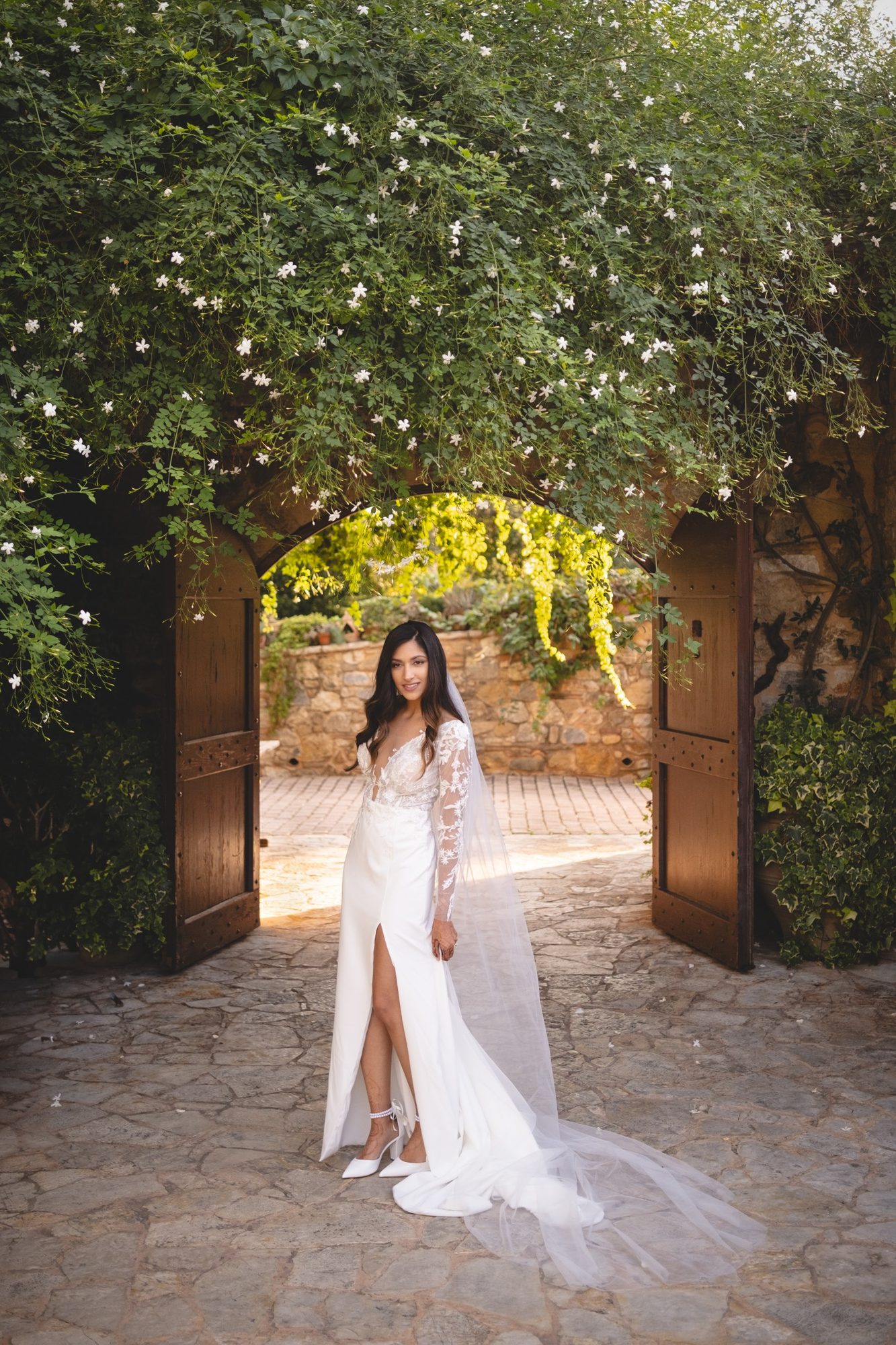
Before guests notice centerpieces or place settings, they respond to the building itself. Tall ceilings, ornate staircases, and dramatic chandeliers can make a formal occasion feel immediately special. Exposed beams, stone fireplaces, and weathered wood may create a warmer, more casual impression. Even the entrance matters: a sweeping driveway builds anticipation, while a quiet courtyard welcomes guests into a more personal space.
Look closely at the venue’s existing features before choosing decorations. A historic property may need little embellishment, whereas a simple event hall offers greater freedom to establish a distinctive style. Working with the architecture often produces a more cohesive result than trying to disguise it.
Natural Surroundings Shape the Mood
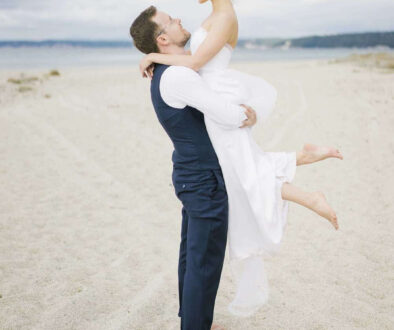
The landscape surrounding a venue can influence both the visual character and emotional tone of a wedding. Waterfront locations often feel peaceful and open, vineyards suggest an unhurried gathering, and wooded properties create a sense of privacy. These impressions come from the environment itself, which means couples may need fewer decorative elements to establish their preferred atmosphere.
Outdoor settings also invite creative ceremony choices. Couples drawn to the mountains might consider scenic overlooks, seasonal flowers, or a gathering beneath the trees. Looking into some nature-inspired mountain wedding ideas illustrate how a location can inform meaningful details without requiring an elaborate theme. Whatever the landscape, consider how it will look and feel during the actual season and time of day of the event.
Lighting Changes the Emotional Energy
Lighting can make the same space feel entirely different throughout the day. Morning sunlight brings brightness and freshness, while late-afternoon light often creates a softer, more romantic appearance. After sunset, candles, lanterns, and carefully placed fixtures can turn an expansive room into a welcoming gathering place.
Ask prospective venues what lighting is available and whether it can be adjusted. Harsh overhead lights may work for setup but feel uncomfortable during dinner. Dim corners can look atmospheric in photographs yet make it difficult for guests to navigate. A thoughtful lighting plan balances beauty with visibility and helps the celebration move smoothly from ceremony to dinner and dancing.
Layout Influences How Guests Connect
A beautiful venue is not necessarily a comfortable one. The arrangement of rooms, walkways, and seating areas determines how easily guests can talk, mingle, and participate. A compact reception room can encourage conversation, while a large open space might require smaller seating clusters to prevent people from feeling scattered.
Consider the journey guests will take from arrival to departure:
- Are the ceremony and reception areas easy to find?
- Is there space for quieter conversations away from loud music?
- Can older relatives and guests with mobility needs reach important areas comfortably?
When movement feels effortless, people can focus on the occasion rather than its logistics.
Sound Creates a Sense of Place
Atmosphere is not only visual. Acoustics influence whether a wedding feels lively, serene, or overwhelming. High-ceilinged rooms may amplify music and conversation, while thick walls and soft furnishings can absorb sound. Outdoor venues offer natural ambience, but nearby roads, wind, or other events may interfere with vows and speeches.
During a venue visit, listen carefully rather than concentrating only on appearance. Ask where musicians or speakers would be positioned and whether there are sound restrictions. A space that supports both clear speeches and enjoyable dancing will serve guests better than one chosen solely for its photographic appeal.
The Setting Guides Color and Decor
Venue surroundings can make certain palettes and materials feel especially appropriate. Rich fabrics and metallic accents complement a formal interior, while linen, greenery, and textured ceramics often suit a garden or rustic property. Choosing colors that respond to the existing environment can also reduce the amount of decoration required.
This does not mean every detail must match the venue. Contrasts can be striking when used intentionally. Contemporary floral arrangements might bring freshness to a traditional room, and refined table settings can elevate an informal outdoor gathering. The goal is visual balance, not rigid adherence to a single theme.
Season and Weather Affect the Experience
The same venue can create different experiences in spring, summer, autumn, and winter. Blooming gardens suggest renewal, autumn foliage adds warmth, and snowy landscapes create a quiet, intimate mood. Temperature, daylight, and weather conditions also affect what guests wear, how long they remain outside, and which activities are realistic.
Ask about backup spaces, heating or cooling, covered walkways, and seasonal accessibility. A flexible venue allows couples to preserve the intended feeling even when conditions change. Comfort should be part of the atmosphere, not an afterthought that becomes noticeable only when something goes wrong.
Practical Details Support the Celebration
Parking, restrooms, accessibility, and service flow rarely appear in wedding inspiration photographs, yet they strongly affect the overall experience. Long waits for transportation or a crowded bar can interrupt an otherwise welcoming evening. Convenient accommodations and clear signage, by contrast, help guests feel cared for.
Think about how vendors will use the property as well. A catering team with suitable preparation space can serve dinner more efficiently, while a designated setup area keeps equipment out of sight. These operational details allow the visual and emotional qualities of the venue to shine without unnecessary distractions.
Choose a Setting That Feels Like You
There is no universally perfect wedding atmosphere. Some couples want an energetic celebration filled with music and movement; others prefer an understated evening centered on conversation. The best venue supports that intention without demanding constant adjustments or expensive transformations.
As you compare options, imagine an ordinary moment within each space: guests greeting one another, sharing a meal, or stepping outside for fresh air. Thinking about how your wedding venue influences the atmosphere in these everyday interactions can reveal more than a carefully staged tour. When the setting aligns with your priorities, decorations, entertainment, and personal touches become easier to choose, and the entire day feels more authentic.